
 Amazon Video
 Series
Scandal
7.22012
Series
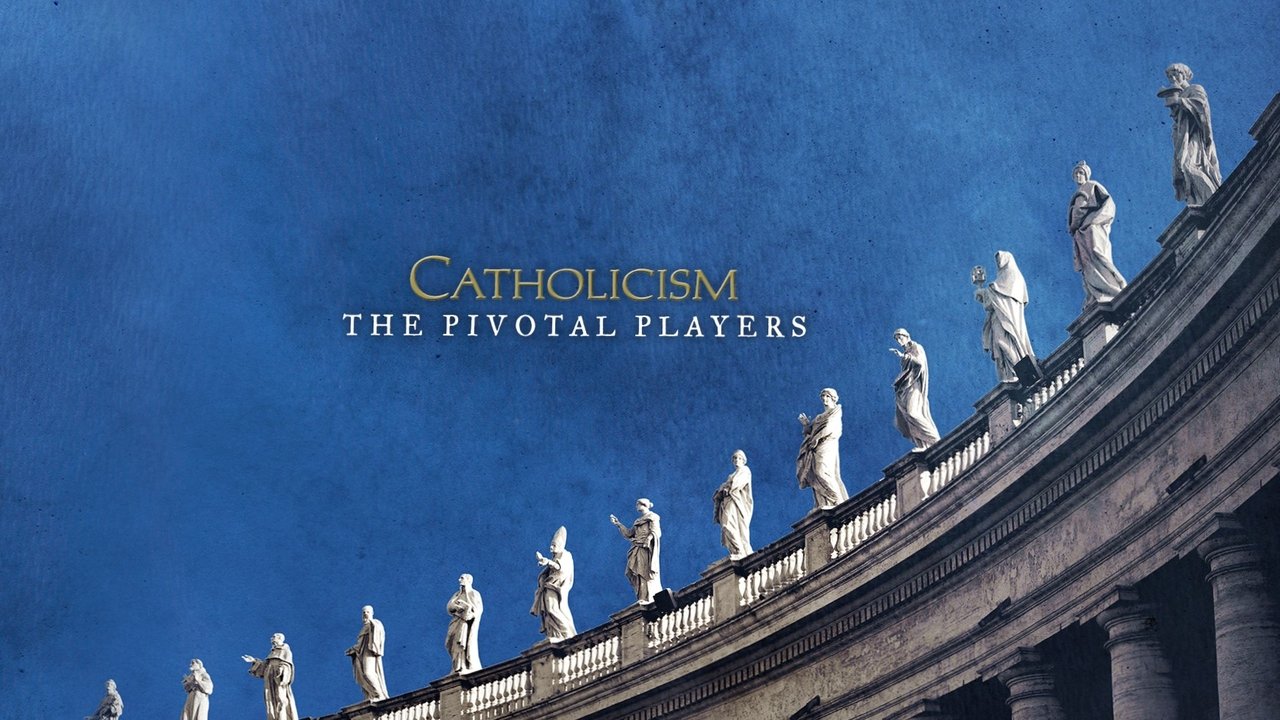
No video is available for Catholicism: The Pivotal Players - S1E1 yet. Check back soon.
Synopsis
Bishop Robert Barron reveals the truth behind influential people in the Catholic Church.
Episodes
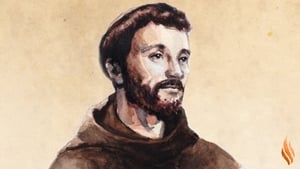 1. St. Francis of Assisi - The ReformerNow viewing2016-09-051h 1mIs there a more winsome and beguiling figure in the entire history of the Catholic Church than Francis of Assisi? Even for non-believers, Francis seems to sum up what is best in the Christian tradition, and it would be difficult to find anyone—even the most ardent of atheists—who would stand against him. Il Poverello, the little poor man—simple, humble, close to nature, deeply in love with God—continues to sing across the ages to our own cynical time.
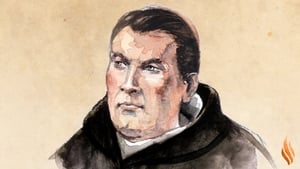 2. St. Thomas Aquinas: The Theologian2016-09-121hThomas Aquinas’ contribution to the Church and to Western culture in general has been so massive that it is exceedingly difficult to get a grip on him. He was a philosopher, a scientist, a scripture commentator, a theologian, a mystic, and in all things, a saint. It is this last description that is, at the same time, the most overlooked and the most illuminating. When one interprets Aquinas merely as a rationalist philosopher, one misses the point of everything he wrote, for Thomas was a saint, deeply in love with Jesus Christ. He was a spiritual master, and his writings were designed to lead people on the road to Christ.
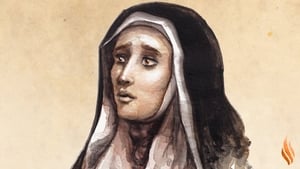 3. St. Catherine of Siena: The Mystic2016-09-1958mCatarina Benincasa, known to the world as Catherine of Siena, is one of the strangest and most intriguing of the church’s saints. An uneducated woman from an ordinary family, she became, in the course of a very short life, an object of fascination to thousands and a counselor to kings, queens, and Popes. Though she never studied theology and never learned formally to read or write, she came to be recognized as a doctor of the church and a master of the spiritual life. Her mystical connection to the higher world—she spoke to Christ, Mary, and the other saints as casually as one friend talks to another—constitutes a powerful challenge to the flattened out secularism of our time. She witnesses to the deeply biblical truth that the higher world and this world are not separated by a terrible gulf, but rather interact, inter-penetrate.
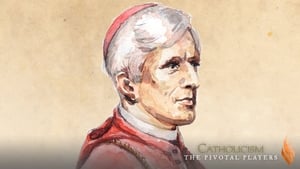 4. Bl. John Henry Newman: The Convert2016-09-261h 2mJohn Henry Newman has been characterized as perhaps the greatest Catholic theologian since Thomas Aquinas, and he was undoubtedly one of the most important theological influencers of the Second Vatican Council. His work represents the first and most notable attempt to place Catholic thought in dialogue with the Enlightenment. He was also one of the most elegant stylists in the English language. When James Joyce was told that he was the best ever writer of English, the great Irish novelist replied, "nobody has ever written English prose that can be compared with that of a tiresome little Anglican parson who afterwards became a prince of the only true church" referring, of course, to Newman.
 5. G.K. Chesterton: The Evangelist2016-10-0358mGilbert Keith Chesterton is one of the most sparkling and effervescent figures in the great Catholic tradition. A physically large man with an even larger intellect and imagination, he embodied the wealth and capaciousness of Catholicism. If one is ever tempted to see Catholic Christianity as something cramped, crabby, and puritanical, he should read even one paragraph of Chesterton. Reading Chesterton is a bit like opening a bottle of champagne: intoxicating, sparkling, rare. Which words can best describe Chesterton’s take on the world? Joyful, playful, rambunctious, joking, realist, traditionalist, balanced, and sane. He felt that something had gone dreadfully wrong with the modern world and that classical Christianity would set it right.
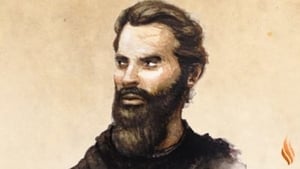 6. Michelangelo: The Artist2016-10-101h 20mCalled in his own lifetime il Divino, Michelangelo is generally regarded as the greatest artist that Western culture has produced. How wonderful that the subject matter of this most sublime of artistic geniuses was almost exclusively the Christian religion. The Pieta, the David, the Sistine Chapel. His work—in painting, architecture, and sculpture—is rightly characterized as representing the high point of the Renaissance, but it should also be appreciated as one of the signal contributions to the Catholic tradition, easily ranking with the work of Aquinas, Augustine, Mozart, and Dante.
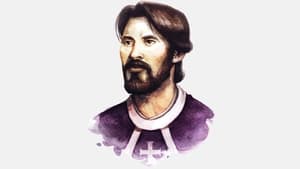 7. St. Augustine of Hippo: The Teacher2018-01-0159mSt. Augustine of Hippo is possibly the best example of how faith in Christ changed a person. Born into a wealthy family with a Christian mother and a pagan father, Augustine lived a life focused on career and sensual pleasures before meeting St. Ambrose, who convinced him that Jesus is the way, the truth, and the life. Augustine’s narrative of personal transformation in his book Confessions provides a template for life in Christ that still rings true today.
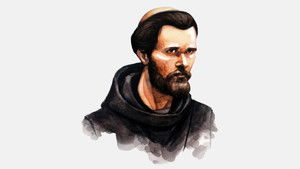 8. St. Benedict of Nursia: The Monk2018-01-081h 2mMany would argue that St. Benedict of Nursia contributed more to saving western Christian culture than anyone else. Born just after Rome fell, Benedict founded the religious community that would, in time, preserve the best of the early Christianity and allow for the emergence of an authentic, way of life in Christ.
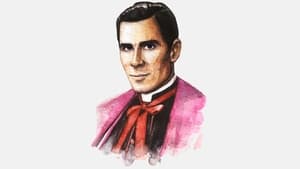 9. Fulton J. Sheen: The Communicator2019-01-0159mA brilliant academic, Catholic prelate, writer, evangelist, and television personality, Fulton J. Sheen was also a mesmerizing public speaker, endowed with extraordinary oratorical gifts, a charming sense of humor, and a magnetic personal presence. At the height of his fame, Sheen’s radio program, The Catholic Hour, had an audience of four million and his television show Life is Worth Living was viewed by an estimated thirty million people each week. He had the courage and the imagination to use the new media in the mid-twentieth century to engage a world growing increasingly skeptical of Christianity.
 10. Flannery O’Connor: The Storyteller2019-01-1458mOne of the quirkiest and most intriguing of all the Pivotal Players was a twentieth-century Catholic writer of fiction from the American South, a woman whose macabre, puzzling, and luminous stories have had a transformative impact on both the Church and the wider culture. Flannery O’Connor had the courage to show just how dark are the hearts of fallen human beings in her fiction. But at the same time, she had the incomparable grace to demonstrate how God continues to work even on that bleak and blasted ground.
 11. St. Ignatius of Loyola: The Founder2020-01-0158mChrist demands a decision. Will we serve him or some other master? A soldier who became a mystic and eventually the founder of the Society of Jesus, commonly called the Jesuits. St. Ignatius’ decision to give his life over to Christ without reservation gave rise to a movement that would not only transform lives, but also changed the world.
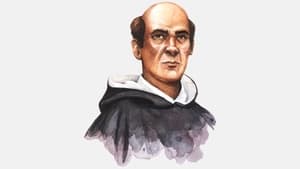 12. Bartolomé de las Casas: The Activist2020-01-1349mFrom where does the cultural regard for human rights emerge? What informs the Church’s teaching concerning the dignity of the human person? This 16th century scholar who became a Dominican friar represents how the Church has engaged the culture as the advocate for the least among us and provided a social theory that accepts as foundational the inherent dignity of the human person.
Cast
No cast is listed for Catholicism: The Pivotal Players.
Availability
Buy
Streaming availability data provided by JustWatch.
Recommended
Series Series
 Series
 Series
 Series
 Series
 Series
 Series
 Series
 Series
 Series
 Series
 Series
 Series
 Series
 Series
 Series
 Series
 Series
 Series
FAQ
Yes - see the "Where to watch legally" section on this page for streaming, rental and purchase options.
Catholicism: The Pivotal Players has 1 season and 12 episodes.
Catholicism: The Pivotal Players first aired in 2016.
Yes, Catholicism: The Pivotal Players is an ongoing series.